The cleaning industry is undergoing a transformation in 2025, driven by a wave of innovations collectively referred to as “Cleaner 2025.” This movement is redefining how we approach cleanliness, blending sustainability, advanced technology, and consumer demand for healthier, eco-friendly solutions. From homes to commercial spaces, Cleaner 2025 is setting new standards for efficiency, environmental responsibility, and hygiene. Here’s a look at how this trend is reshaping the cleaning industry.
The Push for Sustainability
One of the cornerstones of Cleaner 2025 is its emphasis on sustainable practices. Consumers are increasingly aware of the environmental impact of traditional cleaning products, which often contain harsh chemicals and contribute to plastic waste. In response, companies are developing biodegradable, non-toxic, and plant-based cleaning solutions. These products not only reduce environmental harm but also cater to health-conscious consumers, particularly those with allergies or sensitivities.
In 2025, brands are prioritizing packaging innovations, such as refillable containers and compostable materials, to minimize single-use plastics. Some companies are even introducing subscription models for cleaning supplies, delivering concentrated refills to reduce shipping emissions and packaging waste. This shift is encouraging both residential and commercial clients to adopt greener cleaning habits without sacrificing effectiveness.
The Rise of Smart Cleaning Technology
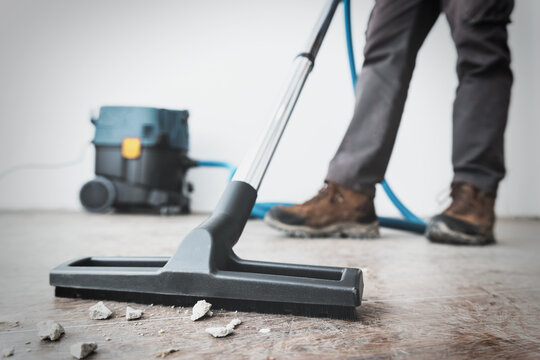
Technology is at the heart of Cleaner 2025, with smart devices revolutionizing how we clean. Robotic vacuums and mops, equipped with advanced sensors and AI, are now more efficient and affordable than ever. These devices can map rooms, avoid obstacles, and even be self-empty, making them a staple in modern households. In commercial settings, autonomous cleaning robots are tackling large spaces like offices, hospitals, and retail stores, reducing labor costs and improving consistency.
Voice-activated cleaning devices are also gaining traction in 2025. Integrated with smart home systems, these tools allow users to schedule cleanings or control devices with simple voice commands. Additionally, Internet of Things (IoT) technology is enabling real-time monitoring of cleaning processes, ensuring optimal performance and resource use. For example, smart dispensers can track cleaning supply levels and automatically reorder when supplies run low, streamlining operations for businesses.
Health and Hygiene in Focus
Cleaner 2025 is also responding to heightened awareness of indoor air quality and hygiene, a trend amplified by recent global health concerns. Antimicrobial cleaning solutions and UV-C disinfection technology are becoming mainstream, offering chemical-free ways to eliminate pathogens. These innovations are particularly impactful in high-traffic areas like schools, gyms, and public transportation hubs, where maintaining a hygienic environment is critical.
Moreover, Cleaner 2025 is addressing allergen reduction. Advanced filtration systems in vacuums and air purifiers are designed to capture microscopic particles, improving air quality for those with respiratory issues. Cleaning companies are also adopting hypoallergenic products and techniques to create safer environments, especially for families with young children or pets.
Efficiency Through Automation and Data
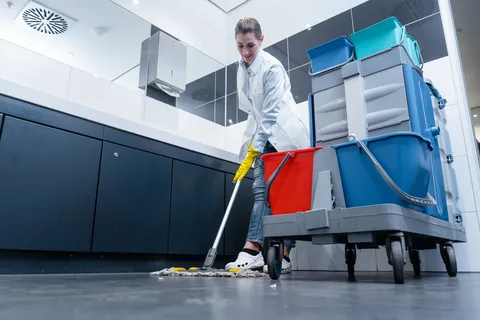
Automation is a game-changer for the cleaning industry in 2025. Beyond robotic cleaners, data-driven solutions are optimizing cleaning schedules and resource allocation. For instance, smart sensors in commercial buildings can detect high-traffic areas and prioritize cleaning tasks, reducing wasted effort. This data-driven approach is helping facility managers cut costs while maintaining high cleanliness standards.
In residential settings, cleaning apps are empowering users to create customized cleaning schedules, track progress, and receive tips tailored to their homes. These apps often integrate with smart devices, providing a seamless user experience. By combining automation with data analytics, Cleaner 2025 is making cleaning faster, smarter, and more efficient.
The Impact on Commercial Cleaning
The commercial cleaning sector is seeing significant changes thanks to Cleaner 2025. Businesses are under pressure to meet stricter environmental regulations and consumer expectations for sustainability. As a result, many are transitioning to green cleaning certifications, which validate their commitment to eco-friendly practices. These certifications are becoming a competitive advantage, attracting clients who prioritize corporate responsibility.
Additionally, Cleaner 2025 is driving innovation in cleaning contracts. Performance-based agreements, where payment is tied to measurable outcomes like cleanliness scores or energy savings, are gaining popularity. This shift ensures accountability and encourages cleaning companies to invest in cutting-edge tools and training.
Challenges and Opportunities
While Cleaner 2025 is propelling the industry forward, it’s not without challenges. The high cost of advanced cleaning technologies can be a barrier for smaller businesses or budget-conscious consumers. Additionally, the transition to sustainable products requires education to overcome skepticism about their effectiveness compared to traditional cleaners.
However, these challenges also present opportunities. Companies that invest in research and development can differentiate themselves with innovative, cost-effective solutions. Partnerships between cleaning brands and tech companies are also fostering new products that balance affordability with performance, making Cleaner 2025 accessible to a broader market.
Looking Ahead
Cleaner 2025 is more than a trend—it’s a paradigm shift that’s reshaping the cleaning industry for the better. By prioritizing sustainability, leveraging technology, and focusing on health and efficiency, this movement is creating a cleaner, greener, and smarter future. Whether you’re a homeowner looking to refresh your cleaning routine or a business aiming to meet modern standards, Cleaner 2025 offers tools and practices to make cleanliness effortless and environmentally responsible.
As we move further into 2025, the cleaning industry will continue to evolve, driven by innovation and a shared commitment to a healthier planet. Embracing these changes today will ensure a cleaner, more sustainable tomorrow.
