Winter in New England is as beautiful as it is demanding. For residents and business owners in the Greater Boston area, a snowstorm signifies more than just a change in the landscape; it triggers a set of strict legal responsibilities and timelines. Boston is a walking city, and maintaining accessible pathways is a matter of public safety and civil law. Understanding the specific ordinances regarding snow removal is essential to avoid hefty fines and ensure the safety of your neighbors. For those who find the physical labor or the tight deadlines overwhelming, partnering with Expert Snow Removal Services in Boston, MA, is the most reliable way to stay compliant and keep your property accessible throughout the harshest months of the year.
What You Should Know: Boston’s Strict Snow Removal Timelines
In Boston, the “clock” for snow removal starts ticking the moment the flurries stop. The city has established specific windows within which property owners must clear their abutting sidewalks and pedestrian ramps.
The Three-Hour Rule
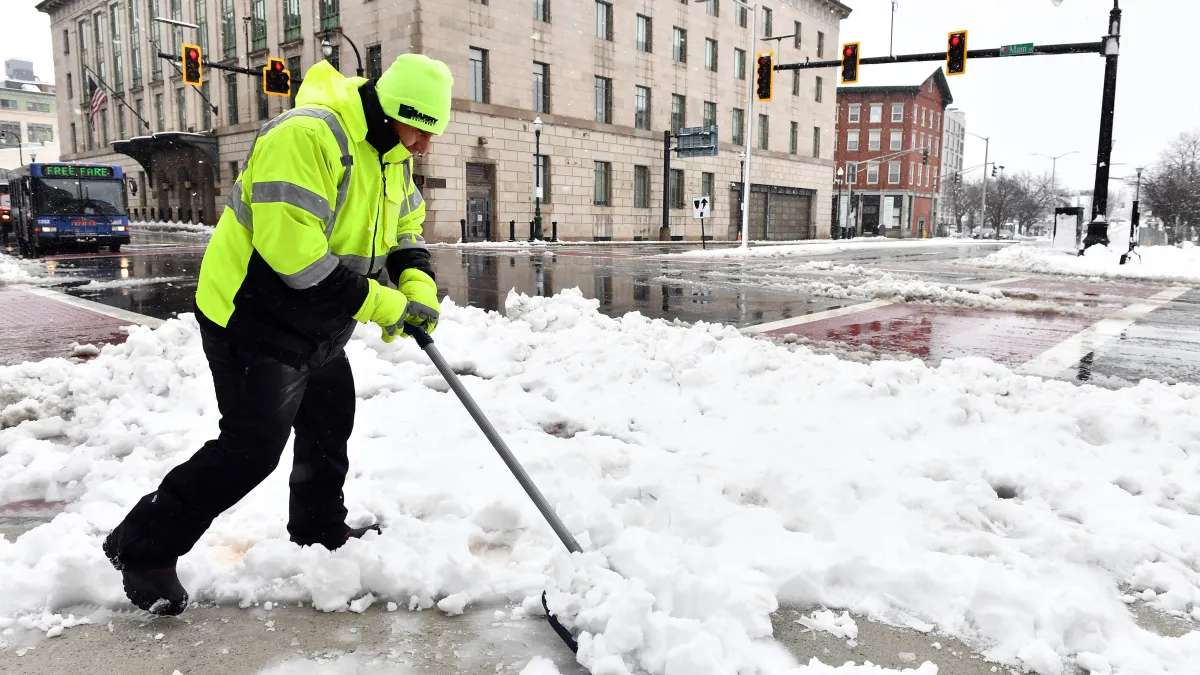
According to the City of Boston’s municipal code, all property owners are required to clear snow, sleet, and ice from sidewalks and curb ramps adjacent to their property within three hours after the snowfall has ended.
- Daytime Storms: If the snow stops falling during daylight hours, you have exactly three hours to ensure the path is clear.
- Overnight Storms: If the storm concludes overnight, the city provides a small grace period. Property owners must have the sidewalks cleared within three hours after sunrise.
The goal of these tight deadlines is to ensure that by the time the morning commute begins or the school day starts, pedestrians—especially the elderly, children, and those with mobility challenges—can navigate the city safely without being forced into the street.
Understanding Compliance: Beyond Just Shoveling
Staying compliant with Boston’s winter regulations involves more than just moving snow from point A to point B. There are specific standards for how the snow must be cleared.
Creating an Accessible Path
It is not enough to simply shovel a narrow “goat path” through the snow. The city requires a cleared path of at least 42 inches wide. This specific width is mandated to accommodate wheelchairs, strollers, and the safe passage of two pedestrians. If your sidewalk is narrower than 42 inches, you are required to clear it to its full width.
Ice Treatment and Bare Pavement
Removal of snow is only half the battle. Property owners are also legally responsible for treating ice. The code requires that ice be removed to the bare pavement whenever possible. If the ice is too thick to be removed immediately, it must be treated with sand, salt, or another chemical de-icer to make it as level and slip-resistant as possible.
The “No Street Shoveling” Rule
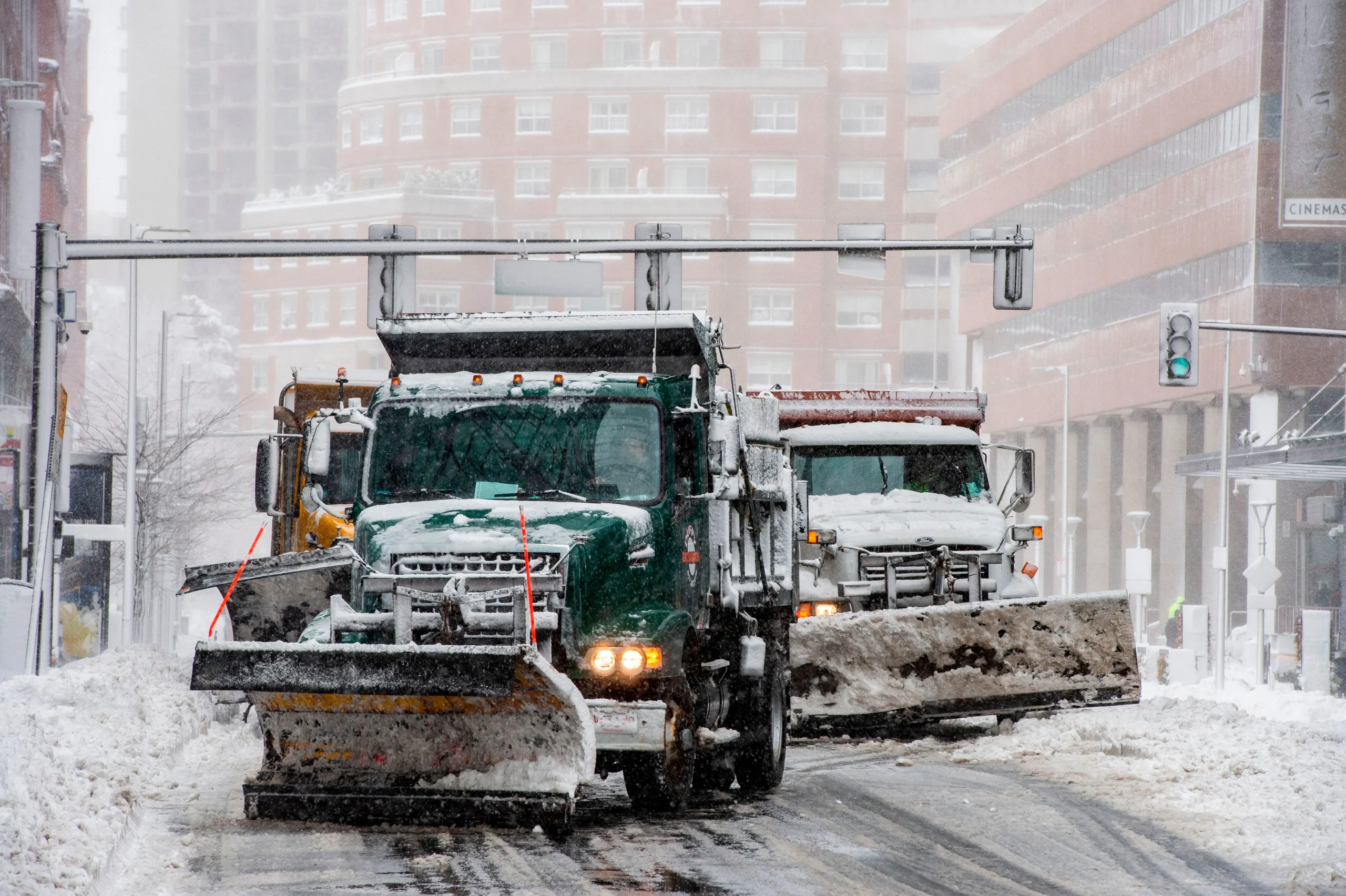
One of the most common mistakes residents make is shoveling or snow-blowing snow into the street. This is strictly prohibited in Boston. Pushing snow into a public way interferes with city plowing efforts, creates hazards for drivers, and can block storm drains, leading to localized flooding when the snow melts. Violating this rule can result in a separate fine, even if your sidewalk is perfectly clear.
The Cost of Non-Compliance: Fines and Liability
The City of Boston takes snow removal seriously, and the Code Enforcement Division actively patrols neighborhoods following a storm.
Escalating Fines
Fines for uncleared sidewalks are issued daily for as long as the violation exists. The amount depends on the type of property:
- Residential (16 or fewer units): $50 per day.
- Residential (More than 16 units): $100 per day.
- Commercial Properties: $200 per day.
For a business owner or a large residential complex, a multi-day storm followed by a slow cleanup can result in thousands of dollars in avoidable penalties.
Legal Liability and Slip-and-Fall Risks
Beyond city fines, property owners face significant civil liability. Under Massachusetts law, property owners have a legal duty to maintain their premises in a reasonably safe condition. This includes the removal of snow and ice. If a pedestrian slips and falls on an untreated or uncleared sidewalk abutting your property, you could be held liable for their medical expenses, lost wages, and pain and suffering.
Why Choose Expert Snow Removal Services in Boston, MA?
Given the physical strain of shoveling heavy New England “heart attack” snow and the stress of a three-hour deadline, many property owners find that professional help is a necessity rather than a luxury.
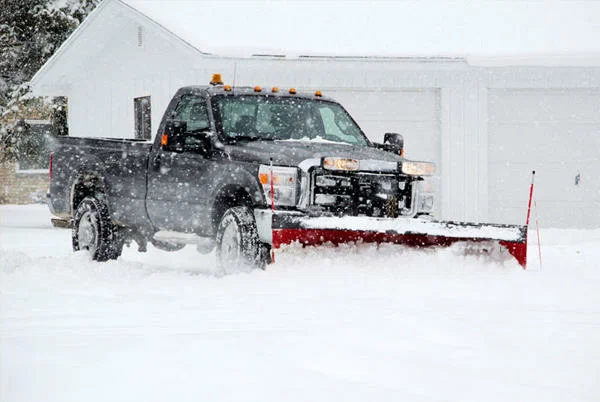
Expert Snow Removal Services in Boston, MA provide more than just labor; they provide peace of mind. Professional teams monitor weather patterns in real-time, often arriving as the storm ends (or even during the storm for commercial contracts) to ensure your property never falls out of compliance. They possess the industrial-grade snow blowers, plows, and high-performance de-icing agents that are far more effective than a standard hand shovel and a bag of rock salt.
By outsourcing this task, you protect your physical health, avoid the city’s “sticker shock” fines, and significantly reduce your liability as a property owner.