Boston winters are legendary for their beauty, but they also bring significant challenges for property owners. From the historic brownstones of the Back Bay to modern commercial complexes in the Seaport, heavy snowfall requires a proactive and strategic approach to safety. Navigating the legal requirements of the city while protecting the structural integrity of your building and the physical safety of pedestrians is a complex task. For those who want to ensure their property remains accessible and compliant, partnering with Expert Snow Removal Services in Boston, MA, is often the difference between a smooth winter and a season of liability and stress.
What You Should Know: Boston’s Strict Snow Removal Regulations
In Boston, snow removal is more than just a courtesy; it is a legal mandate. The City of Boston has clear ordinances that property owners must follow to avoid hefty fines and ensure public accessibility.
- The Three-Hour Rule: Property owners are required to clear snow, sleet, and ice from sidewalks and curb ramps abutting their property within three hours after a storm has ended. If the snow stops overnight, the clock starts at sunrise.
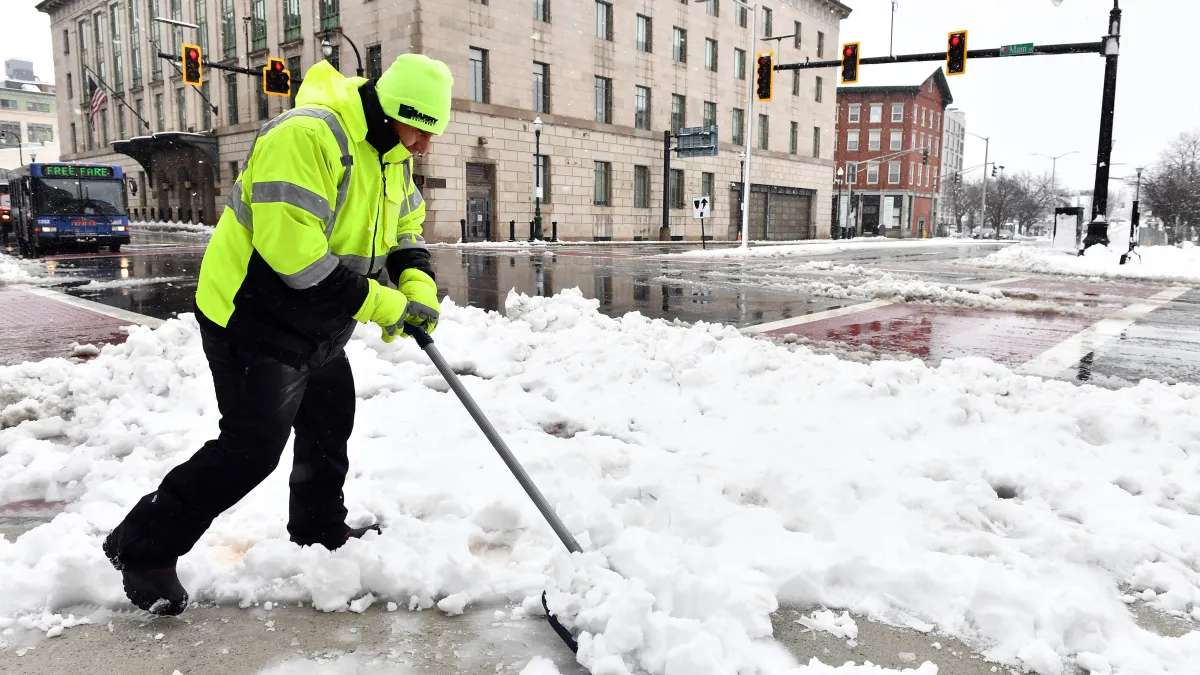
- Creating Accessible Paths: It isn’t enough to simply shovel a narrow trail. You must clear a path at least 42 inches wide. This ensures that people using wheelchairs, strollers, or walking aids can navigate the city safely.
- The “No-Street” Rule: Shoveling or pushing snow into the street is strictly prohibited. Doing so creates hazards for drivers and can interfere with city plowing efforts. Snow must be piled on your own property or in designated areas.
Failing to meet these standards doesn’t just result in tickets from the city; it significantly increases your liability in the event of a slip-and-fall accident, which can be far more costly than professional maintenance.
Protecting Your Infrastructure from Heavy Snow Loads
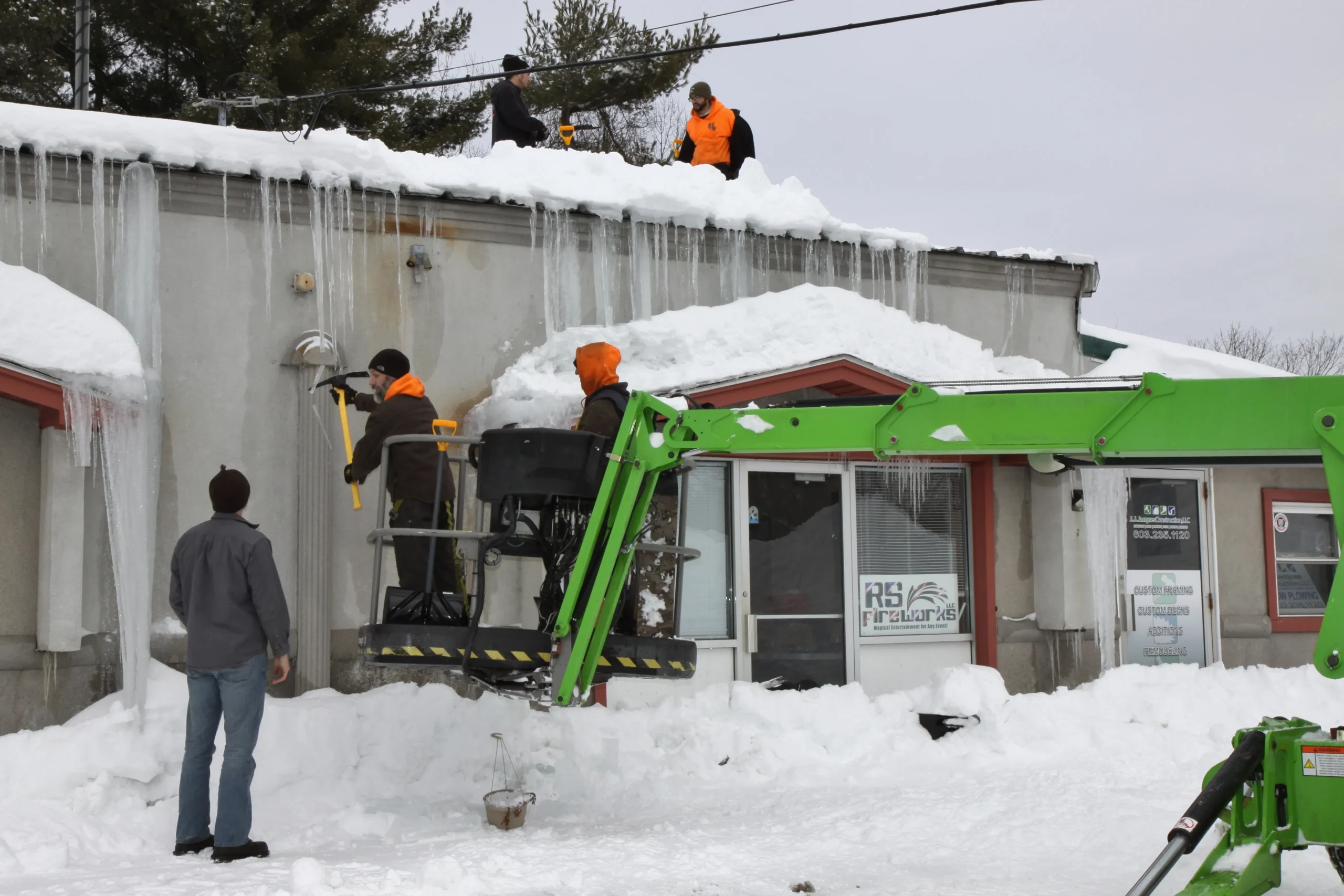
While most people focus on sidewalks, the roof of a Boston property is often the most vulnerable area during a heavy blizzard. Accumulating snow adds thousands of pounds of weight to a structure, which can lead to catastrophic damage.
Preventing Roof Collapse and Ice Dams
Heavy, wet snow is particularly dangerous. As temperatures fluctuate, snow on the roof can melt and then refreeze at the gutters, creating “ice dams.” These dams prevent meltwater from draining, forcing it under shingles and into your walls or ceilings.
- Professional Raking: Using a roof rake is a common DIY tactic, but for multi-story Boston buildings, it is often impossible or dangerous for an amateur.
- Structural Strain: Older historic buildings may have aged support beams that aren’t rated for the record-breaking snowfall we sometimes see. Regular removal of excess accumulation is vital to prevent structural buckling.
Managing Drainage and Runoff
Proper snow management involves planning where the snow goes once it’s moved. If snow is piled too close to the foundation, the subsequent melt can lead to basement flooding. Expert teams prioritize clearing catch basins and storm drains to ensure that as the snow turns to water, it has a clear path away from your building.
The Science of De-Icing and Traction
Clearing the snow is only half the battle; managing the ice that lurks beneath is where true safety is won. In the “freeze-thaw” cycles common in Massachusetts, a clear sidewalk can turn into a sheet of black ice in minutes.
- Pre-Treatment Strategy: One of the biggest advantages of hiring Expert Snow Removal Services in Boston, MA is their use of pre-treatment. By applying liquid or granular de-icers before the flakes even start falling, professionals prevent the snow from bonding to the pavement. This makes the eventual cleanup faster and more effective.
- Choosing the Right Agents: Not all salt is created equal. Standard rock salt is ineffective once temperatures drop below 15°F. Professionals use specialized treated salts or calcium chloride that work in extreme cold. Furthermore, for properties with pets or sensitive landscaping, they can provide eco-friendly and pet-safe alternatives that won’t damage paws or kill spring bulbs.
- Sanding for Traction: When temperatures are too low for chemicals to work quickly, adding sand provides immediate mechanical traction, which is essential for sloped driveways and stairs.
The Benefits of a Professional Snow Management Plan
Relying on a neighbor or an on-call laborer during a blizzard is a risky strategy. When a major storm hits, demand for help skyrockets.
Reliability and Peace of Mind
A professional contract ensures you are on a priority list. These teams monitor weather patterns 24/7, often deploying crews before the first inch of snow has even settled. For commercial properties, this means your parking lot and entrances are clear before employees or customers arrive, maintaining business continuity.
Specialized Equipment
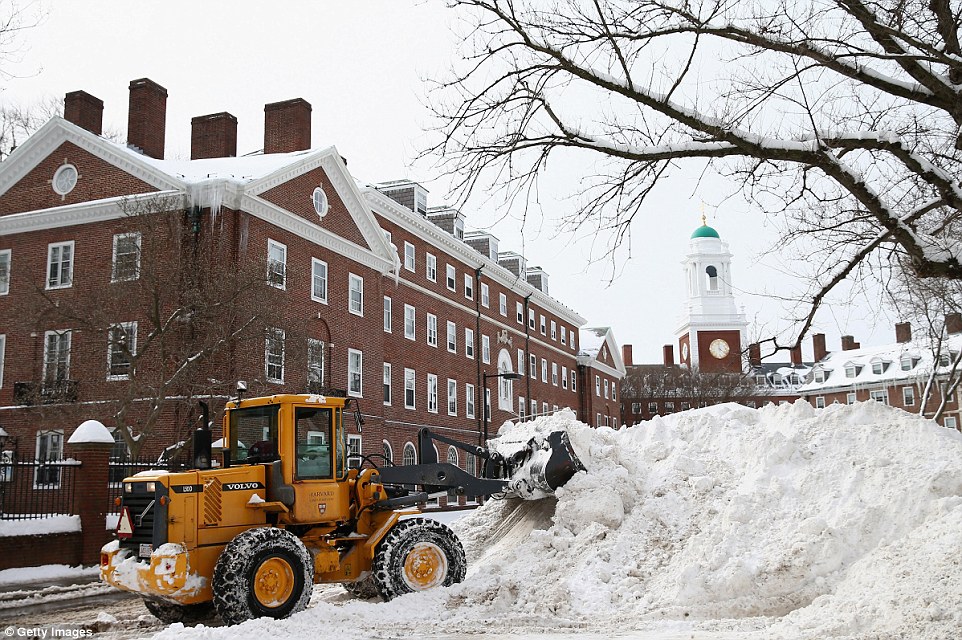
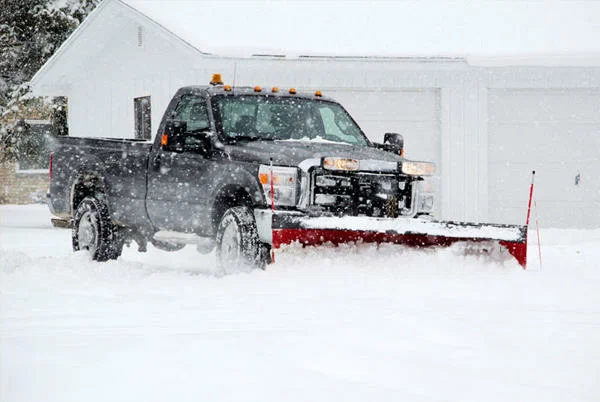
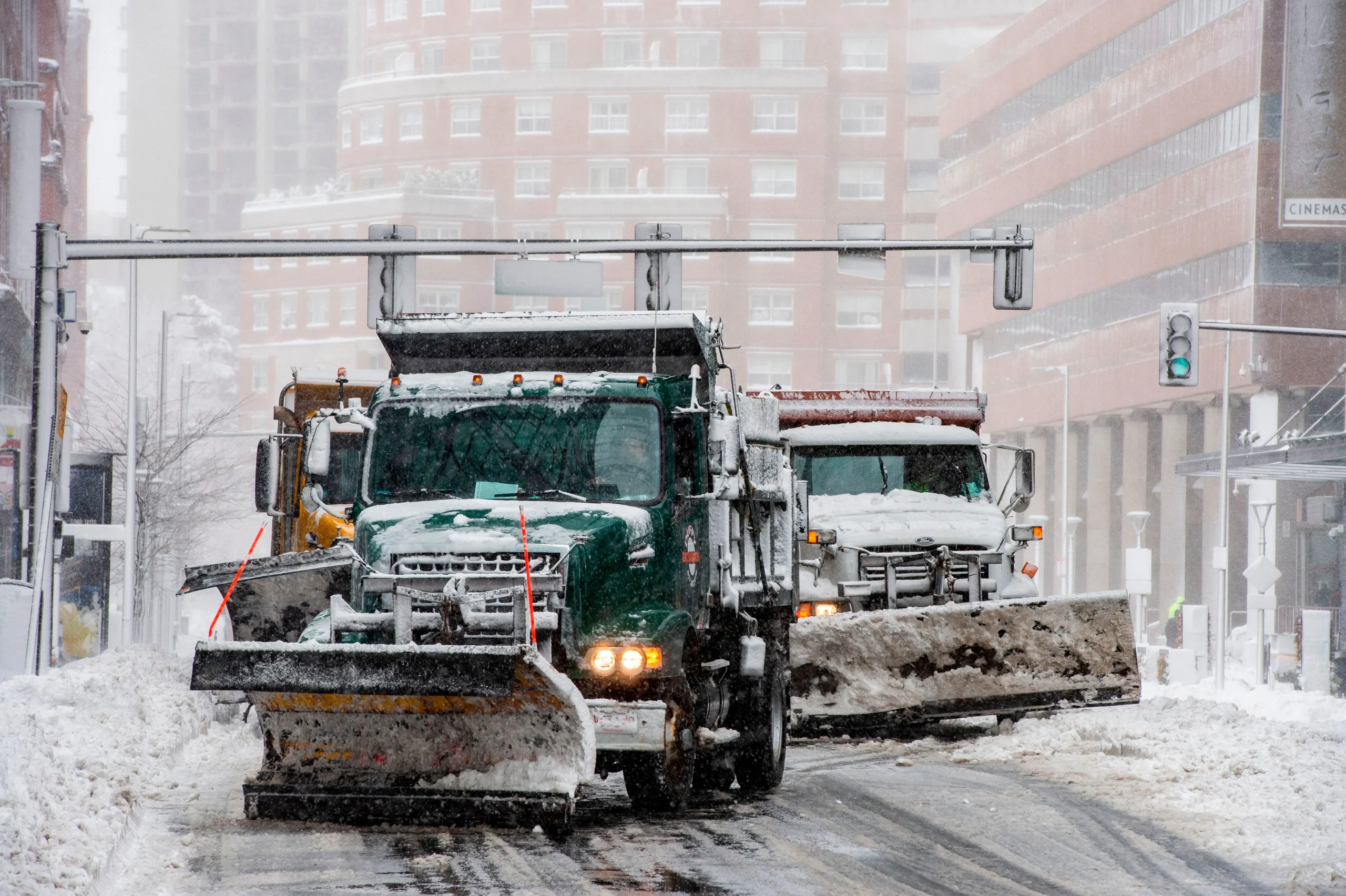
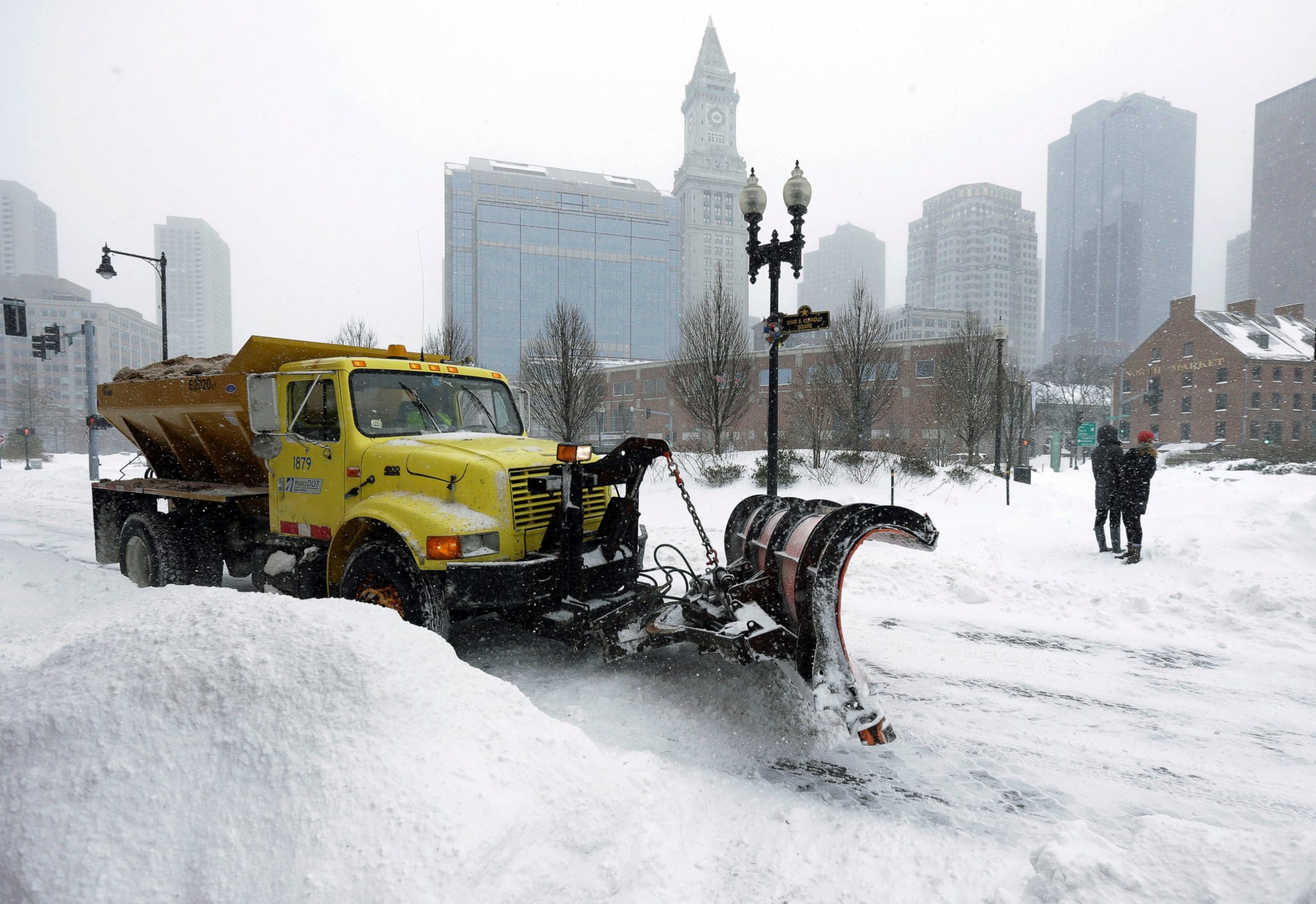
A standard shovel isn’t enough for Boston’s tight streets and large lots. Professional services utilize a fleet of equipment, from heavy-duty plows and skid steers for parking lots to specialized power brushes and blowers for narrow sidewalks. This equipment allows for a “down to the pavement” finish that manual shoveling rarely achieves.
Reducing Physical Risk
Shoveling heavy snow is a significant cause of heart attacks and back injuries during the winter. For property owners—especially those over 50—the physical toll of moving hundreds of pounds of snow is a serious health risk. Outsourcing this labor protects your health while ensuring the job is done to professional standards.
By understanding the local laws, protecting your building’s structure, and utilizing advanced de-icing techniques, you can keep your Boston property safe and functional all winter long. Investing in a professional snow management plan is the smartest way to handle the unpredictable nature of New England winters.