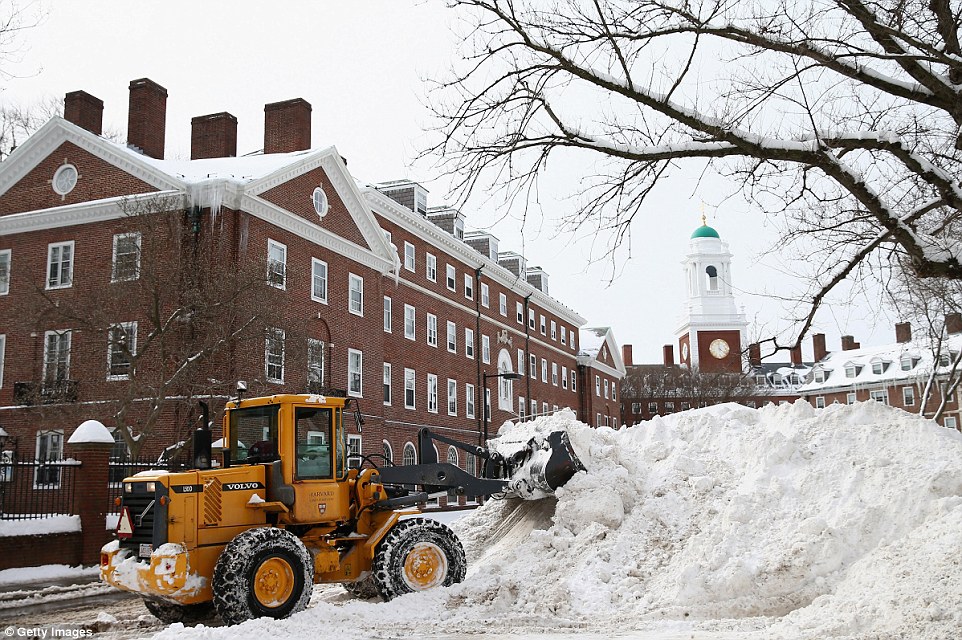
Boston winters are legendary for their beauty, but they also bring significant challenges for property owners. When a Nor’easter blankets the city in heavy, wet snow, the clock immediately begins ticking. In a dense urban environment like Boston, timely snow clearing is not merely a matter of convenience or curb appeal; it is a critical safety requirement and a legal obligation. Navigating the complexities of local ordinances while ensuring the safety of tenants, customers, and pedestrians requires a proactive strategy. For many, the most effective way to manage these demands is by partnering with Expert Snow Removal Services in Boston, MA, to ensure that every walkway, ramp, and driveway remains clear and compliant throughout the harshest months of the year.
What You Should Know: The Boston Three-Hour Rule
Boston has some of the most stringent snow removal regulations in the country, designed to keep the city’s historic and busy streets accessible for everyone, especially seniors and those with disabilities. Every property owner should be intimately familiar with the “Three-Hour Rule.”
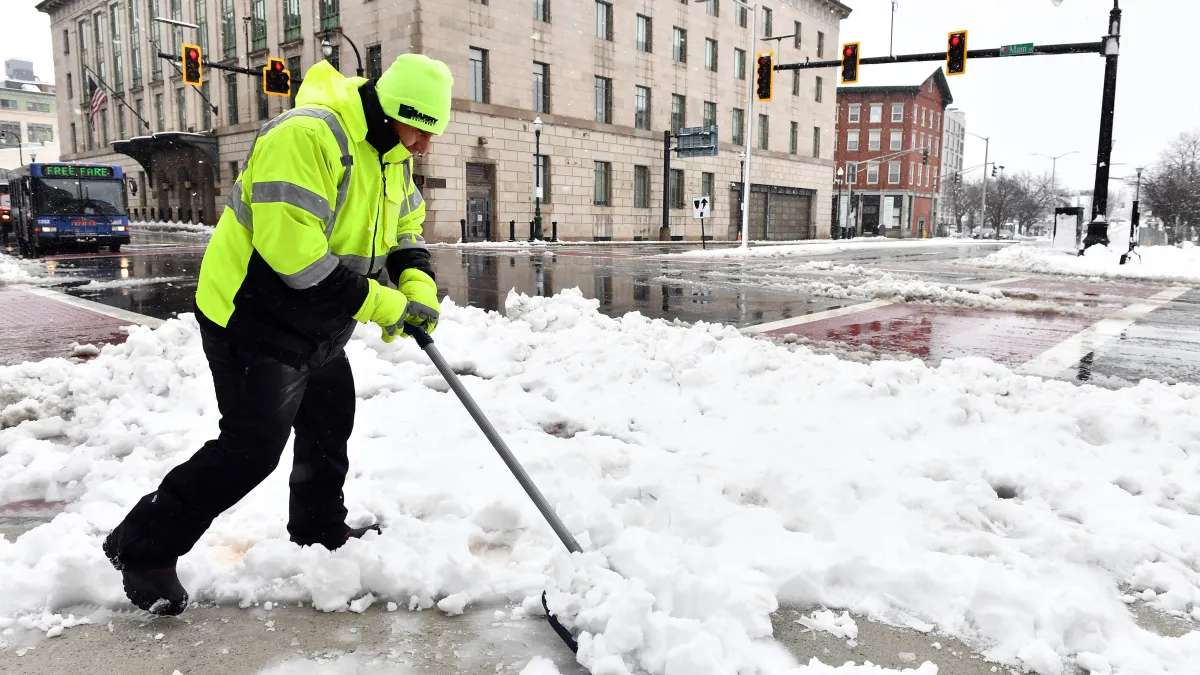
According to city ordinances, property owners are required to clear snow, sleet, and ice from sidewalks and curb ramps abutting their property within three hours after a storm has stopped. If the snow falls overnight, the deadline is three hours after sunrise. Compliance isn’t just about being a good neighbor; the city actively enforces these rules with a tiered fine system:
- Small Residential (16 units or fewer): Fines typically start at $50 per violation.
- Large Residential (More than 16 units): Fines increase to $100 per violation.
- Commercial Properties: Fines are the highest, often starting at $200 per violation.
Importantly, each day a sidewalk remains uncleared can be considered a separate offense. This means that neglecting a single storm can lead to mounting financial penalties. Furthermore, the city requires a clear path of at least 42 inches wide to accommodate wheelchairs and strollers, aligning with ADA (Americans with Disabilities Act) accessibility standards.
Navigating the Hidden Safety Risks of Winter
The immediate danger of a snowstorm is obvious, but the secondary hazards that arise from delayed clearing are often more treacherous. In Boston’s freeze-thaw cycles, “black ice” is a constant threat. This thin, nearly invisible layer of ice forms when melted snow refreezes on cold pavement, creating a surface as slippery as a skating rink.
Preventing Slip-and-Fall Accidents
Slips and falls are the leading cause of winter injuries in Massachusetts. Timely application of de-icing agents like rock salt, calcium chloride, or eco-friendly alternatives is essential. Professional Expert Snow Removal Services in Boston, MA don’t just move snow; they manage the surface chemistry of your walkways to prevent that initial bond of ice to the pavement, making subsequent clearing much easier and safer.
Mechanical and Environmental Hazards
Snow accumulation can create life-threatening hazards that are easily overlooked. For example, drifting snow can block heating vents for furnaces and water heaters, leading to a dangerous buildup of carbon monoxide inside a building. Similarly, if you are clearing a vehicle, you must ensure the muffler is completely unobstructed before starting the engine to prevent exhaust from entering the cabin.
Structural Protection: Beyond the Sidewalk
While sidewalks are the primary focus of city inspectors, the structural integrity of your property is also at risk during a heavy Boston winter.
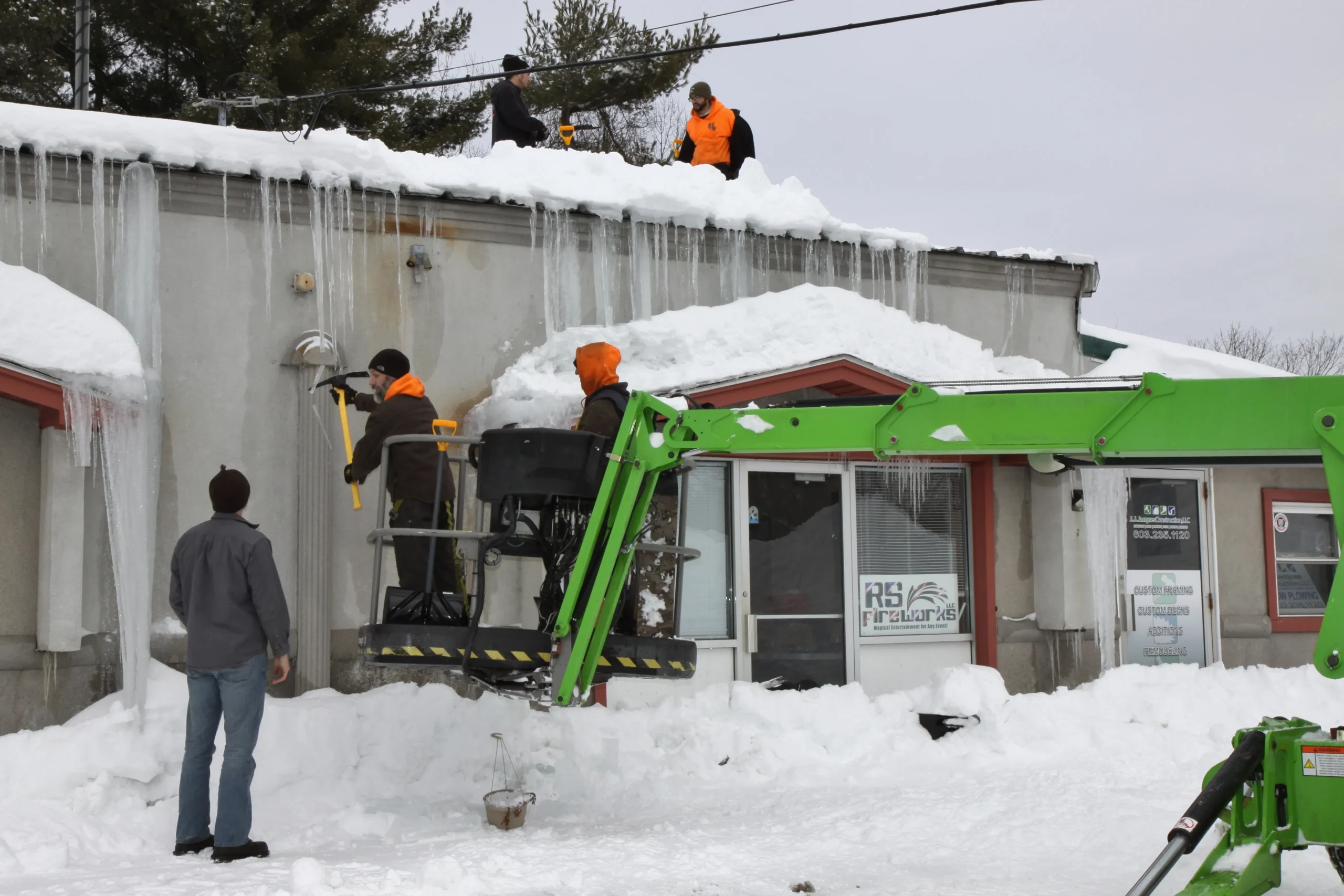
- Roof Snow Loads: New England snow can be incredibly heavy, especially when followed by rain. This “wet” snow adds thousands of pounds of pressure to a roof structure. If left unmanaged, it can lead to sagging, interior ceiling cracks, or even a catastrophic roof collapse.
- Ice Dams: When snow on a roof melts due to interior heat but refreezes at the cold eaves, it forms an ice dam. This prevents meltwater from draining off the roof, forcing it back under the shingles and into your walls and insulation.
- Professional Intervention: Clearing a roof is a high-risk task involving heights and slippery surfaces. Hiring professionals ensures that the snow is removed safely without damaging the shingles or gutters, which is a common mistake made during DIY attempts.
The Strategic Advantage of Professional Services
Many property owners consider DIY snow removal as a cost-saving measure, but the “opportunity cost” and physical risks often outweigh the savings. Shoveling heavy snow is a leading cause of back strain and cardiovascular events in older adults.
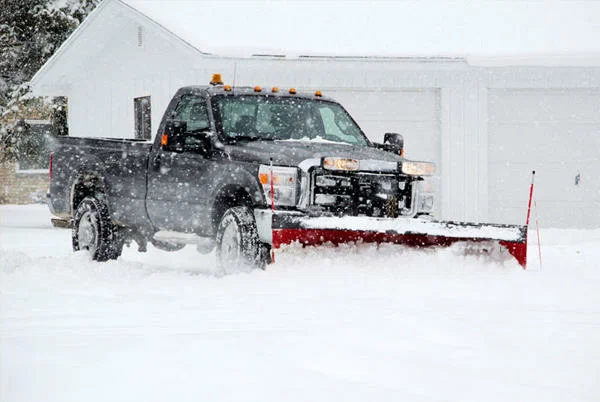
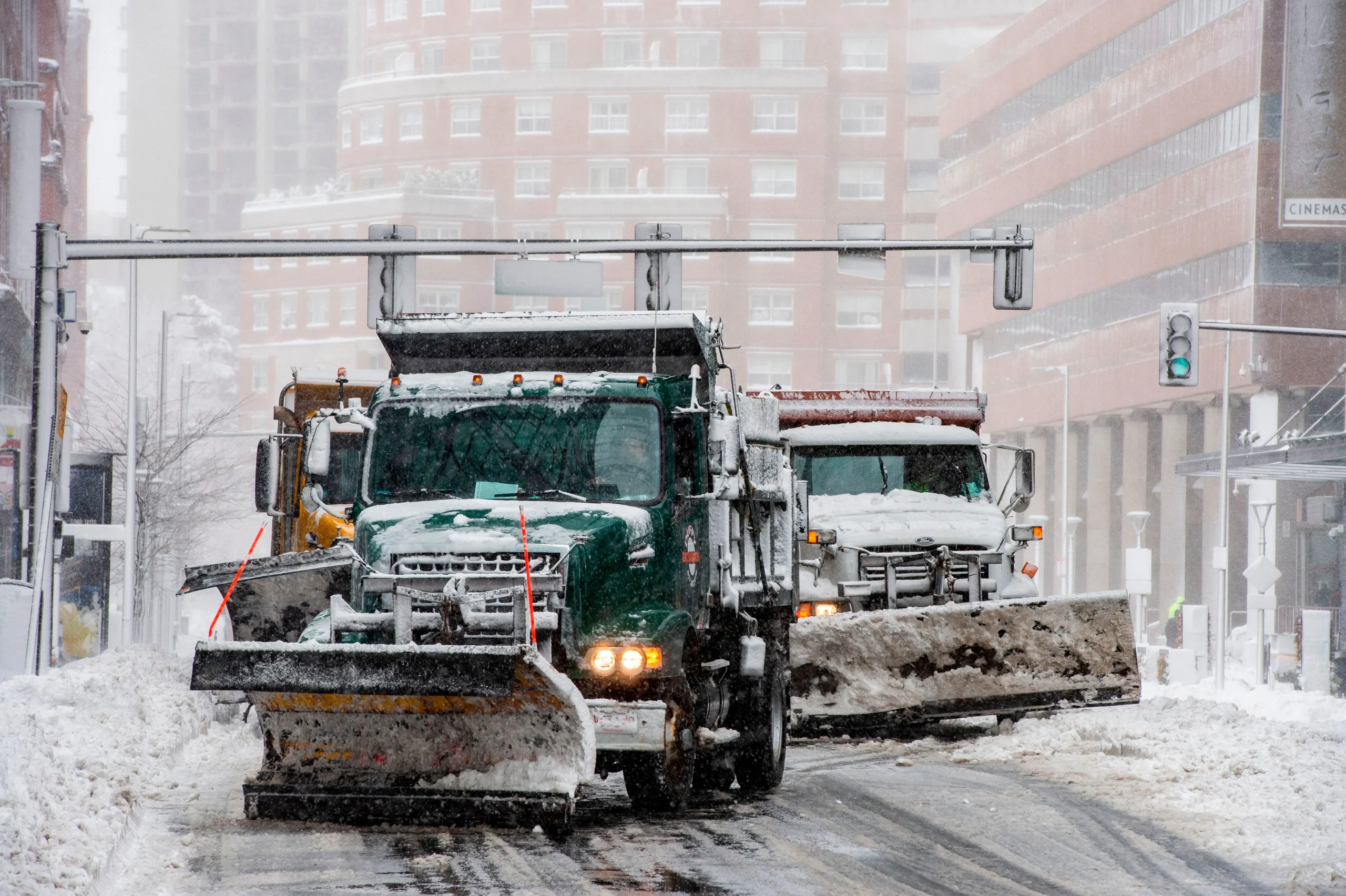
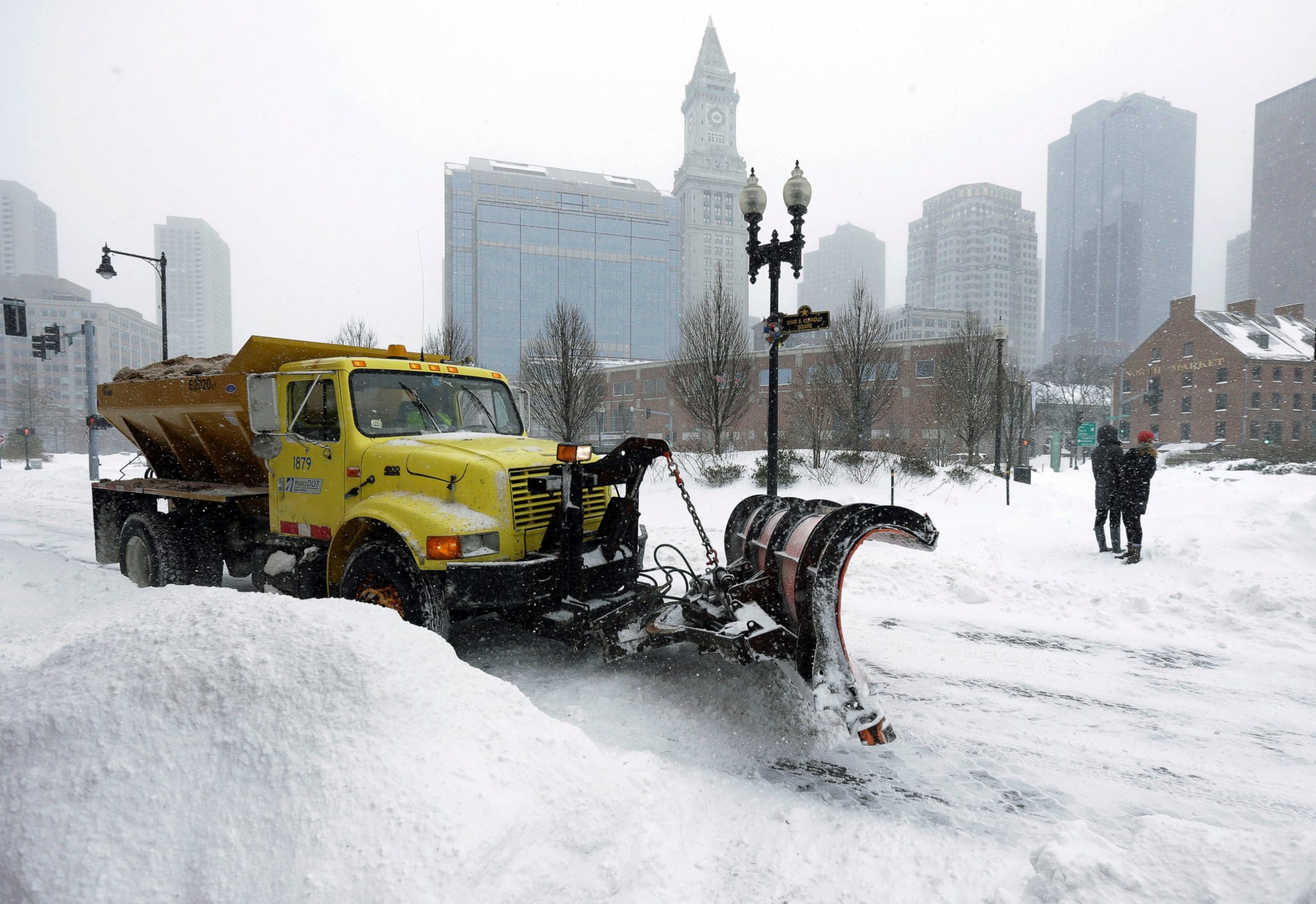
Hiring Expert Snow Removal Services in Boston, MA, provides a strategic advantage that goes beyond physical labor. Professional crews monitor weather patterns 24/7, often arriving at a property before the snow even stops to perform “clearing passes.” They utilize specialized equipment—from high-capacity plows and snow blowers to salt spreaders—that can clear a large commercial lot or a complex residential walkway in a fraction of the time it takes a manual crew.
Furthermore, professional services often offer “snow hauling.” In many parts of Boston, like Beacon Hill or the North End, there is simply no place to pile the snow. Experts can physically remove and transport the snow to off-site locations, ensuring that your parking spaces and emergency exits remain fully functional.
Liability Mitigation and Peace of Mind
From a legal perspective, “reasonable care” is the standard by which property owners are judged in Massachusetts. If a pedestrian slips on your sidewalk, your defense often rests on whether you took timely and effective steps to clear the hazard.
By documenting your efforts—or having a professional service provide logs of their visits—you create a “paper trail” of compliance and care. Professional snow removal companies also carry their own liability insurance and workers’ compensation, which protects you from being held responsible if a worker is injured on your property.
Ultimately, timely snow clearing is about protecting your community and your investment. By understanding the local laws and the physical risks involved, you can ensure that your Boston property remains a safe, welcoming, and accessible space all winter long. Concluding your preparations before the first flake falls is the best way to avoid the stress, fines, and hazards of a New England winter.